Home / Guides / Sustainable washing: what buyers can verify
Sustainable washing: what buyers can verify
Sustainable washing claims are easy to make and hard to check. The documents, questions and order clauses a buyer can use to verify before committing.
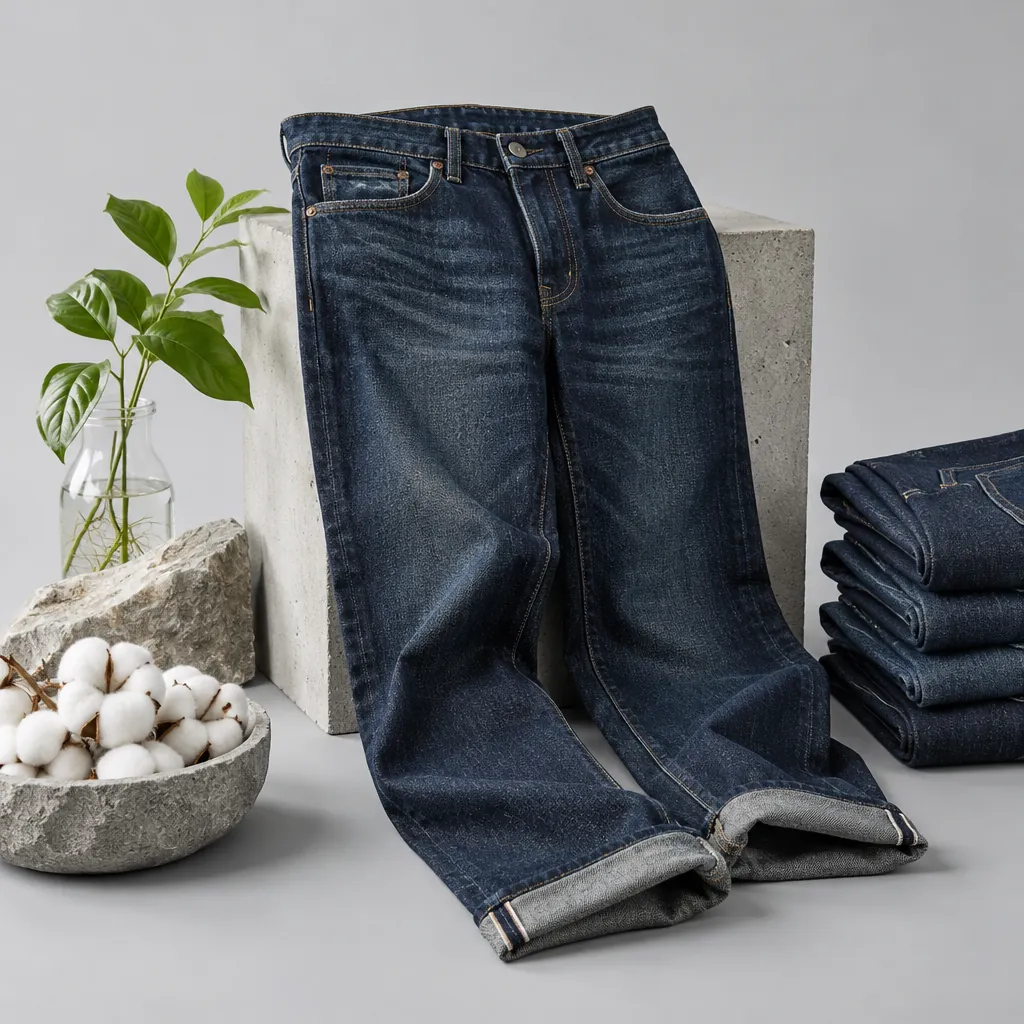
Few corners of denim carry more marketing language than sustainable washing. Suppliers describe processes as clean, green, waterless or eco-friendly, and buyers under pressure to report progress pass those words down their own channels, sometimes without a document behind any of them. The risk lands on the buyer: a claim made to customers is the retailer's claim, whatever the supplier's brochure said. This article takes no position on any process's environmental merit. It sets out what a buyer can actually verify before repeating a sustainability claim, and how to build that verification into the order.
The difference between a claim and a fact
A fact, in this context, is a document: a test report against a named method, a certificate issued by an identified body with a scope and a validity period, or production data with a defined boundary. A claim is a sentence. The two become confused because claims often sound technical, and because the language of sustainability, terms such as eco-friendly, natural or chemical-free, has no agreed measurable meaning in most markets. The practical rule for a buyer is simple. For every claim that will be repeated, ask what document supports it, who issued the document, and what exactly it covers. A supplier with substance behind the words answers with paperwork quickly; a supplier without it answers with more sentences.
What a buyer can verify
- Chemical compliance. Test reports from recognized laboratories, naming the test methods and the substances covered, for the finished garment or its inputs. The common test items are listed in the site's chemical compliance guide.
- Facility certificates. Certificates issued to a named facility, with a scope the buyer has read, covering the processes in question and valid for the production period. Membership logos alone do not certify a process.
- Process data. Water, energy and chemistry records for the specific recipe, with the measurement boundary stated, so the buyer knows whether figures describe a single step or the whole laundry.
- Input documentation. Documentation for recycled fiber content, if claimed, tying the claim to the input stream rather than to an adjective on a hangtag.
Scope is where most verification fails quietly. A certificate may belong to a chemical supplier rather than to the laundry; a test report may cover an input fabric rather than the finished garment; facility data may describe a pilot line rather than production. Reading the documents closely is the buyer's job, because nobody else in the chain has the incentive to do it. Where the documents are too complex to judge, an independent verification visit or a third-party review is the standard remedy, and its cost is small against the cost of repeating a claim that does not hold.
Questions to put in writing
Verification is faster when the questions are specific. A buyer can ask: which certificate covers this process, at which facility, with what scope and expiry; which test reports exist for the finished garment, from which laboratory, against which methods; what data supports a stated reduction in water or energy use, measured over what boundary; and which parts of the process are covered by the documents and which are not. The last question matters most, because a certificate that covers one wet step is routinely presented as though it covered the garment. Written questions produce written answers, and written answers can be checked later; conversations cannot.
Process directions buyers discuss
Several process families come up repeatedly in these conversations, and each deserves the same treatment: describe the mechanism, ask for the data, and decline to label it on faith. Enzyme routes replace part of the mechanical abrasion of stone washing with biochemical action, and laser finishing replaces hand sanding with digitally controlled work; both changes can reduce the water, pumice or chemical burden of the steps they replace, by amounts that depend on the whole recipe rather than on any single machine. Ozone-based bleaching and water-recycling installations appear in modern laundries for similar reasons. Raw denim, which forgoes wet processing on the garment altogether, is sometimes discussed in the same breath, and the article on selling raw denim covers what that position does and does not promise. Whether any of this holds for a given supplier is exactly the kind of question the previous sections exist to answer, and none of it should reach a product page as a claim before it reaches the buyer as a document.
Putting verification into the order
Documents that arrive after shipment protect nobody. The order documents should name the certificates and reports required, the facility they must cover, and the point in the production calendar at which copies are due, so that a missing document is visible while there is still time to react. Where the retailer intends to repeat a supplier's claim in its own marketing, the order should state which claims are covered by which documents, so the retailer's pages rest on the supplier's paper rather than on its reputation. These clauses cost little to write and are far harder to add after a dispute. Requirements, scope and timing are to be confirmed in writing for each program.
A final caution on language. Words that cannot be checked expose the retailer more than they protect it, because the customer who asks for the meaning of a vague word will not accept a brochure as the answer. Claims phrased as verifiable statements, such as naming the certificate a facility holds and its scope, survive scrutiny; adjectives do not. The same discipline this site applies to its own product claims, stating what is known and confirming the rest in writing, is the discipline this article recommends to buyers.
Working with jeans
Process options, their documentation and their costs vary by laundry, and all figures for a specific program are to be confirmed in writing. This article describes verification practice and makes no environmental claim of its own. To discuss documented wash options for your program, request a quote and we will respond with the documents behind the words.