Home / Guides / Streetwear denim: limited drops and MOQs
Streetwear denim: limited drops and MOQs
How streetwear denim brands run limited drops inside factory minimums: small run economics, honest scarcity, and the path from drops to a core line.
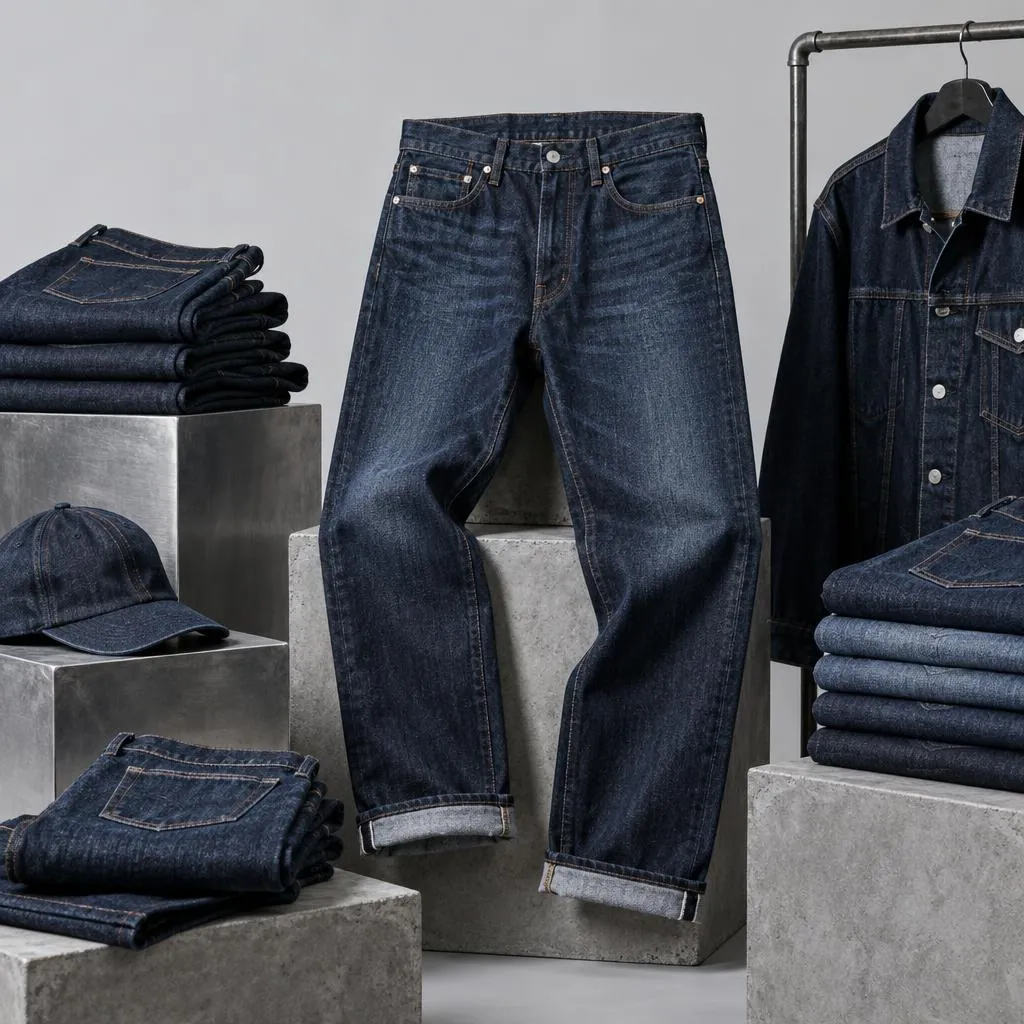
Streetwear built a release culture on limited drops, and denim sits awkwardly inside it. T-shirts and hoodies can be produced in small runs because blank fabric is available off the shelf; jeans are cut from fabric that mills produce in batches and washed in machines that run by lot. A streetwear denim label that understands this designs its drops around batch reality instead of fighting it. This article covers where the friction sits, how small runs are actually achieved, and how a drop brand grows into a core line without breaking its own scarcity story.
Why denim resists the drop model
Every pair of jeans starts with woven fabric produced in batch, dyed in lots and finished in wash loads sized for production efficiency. Unlike a printed tee, there is no warehouse of denim blanks waiting in single-unit quantities. The consequence shows up at the smallest run sizes: the fabric minimum, the wash minimum and the cutting minimum each apply, and the binding constraint is usually fabric. This is not a supplier being difficult; it is the structure of the supply chain, and a drop calendar that ignores it produces either missed release dates or invoices that surprise the person who approved them. The constraint also cuts the other way, and it is worth noticing. Because denim cannot be mocked up overnight, a label that plans its fabric position early can release on time while competitors guess. Fabric booked ahead of a drop is the closest thing the category has to an unfair advantage, and it costs planning rather than money.
Design drops around what factories can run
The workable pattern is to keep the fit stable and move the surface. A label carries one or two core fits developed once, then releases new washes, over-dyes, distressing treatments or hardware colorways on that base. Because the fits share fabric, the fabric minimum is paid once and amortized across several releases. Washes are chosen from the wash house's existing recipes where possible, with a custom wash reserved for the releases that justify development time. The result is a drop calendar the factory can actually hit, which is worth more to a streetwear audience than one more impossible colorway announced on schedule and delivered late.
The real economics of a small run
Small runs cost more per unit for reasons a buyer can itemize before quoting:
- Fabric bought in smaller quantity carries a higher price per yard.
- Setup steps in cutting and washing spread across fewer pieces.
- Trim suppliers quote less favorably at low volumes.
- Custom elements, from hardware to patches, carry their own minimums.
None of this is hidden cost; it is the price of entry, and it belongs in the margin plan rather than in the argument after the quote arrives. A buyer weighing small-run entry against minimum barriers will find the trade-offs laid out on the MOQ barriers page, including the structural options, such as shared fabrics and multi-style orders, that lower the entry point without pretending minimums away.
Time the drop against production, not marketing
Streetwear calendars are usually drawn from the marketing side, and denim does not obey them. Development, sampling, bulk production and freight each take time, and wash development in particular can add rounds nobody scheduled. The workable habit is to draw the production chain backwards from the intended release date, hold a buffer at the freight stage, and only then announce the date. A release moved once, with notice, costs an audience's patience; a release moved twice costs credibility. Dates the factory has confirmed in writing are the only dates worth printing. Sampling rounds deserve their own line in that schedule. A custom wash that needs two rounds of adjustment, and many do, adds the full round-trip time to the release date, and a hardware change adds the supplier's own lead time. Counting those dependencies before the announcement is what keeps the calendar honest.
Run drops with a reorder hybrid
Pure scarcity works until a style sells out in an afternoon and the audience asks for a restock the supply chain cannot deliver quickly. The hybrid most established labels converge on is a limited surface over a restockable base: the wash or treatment is the limited element, while the underlying fit stays in production and can be replenished. Sales data from each drop then tells the label which fit has earned permanent status, and the drops become a testing instrument rather than only a marketing one. The conversion-side mechanics of running an online denim release, from page information to return control, are covered in the article on sourcing for online stores.
Make scarcity claims you can keep
Audiences forgive a sold-out drop; they do not forgive a promised restock that never comes, or a limited release that quietly reappears. Before announcing quantities or dates, a label should know what the factory can commit to in writing, including whether the fabric for a restock will still be available when the demand arrives. Where fabric availability is uncertain, say so plainly. Honesty about production constraints is native to the audience streetwear serves, and it costs far less than rebuilding trust after a broken promise. The same honesty applies to quantities. Announcing a unit count the factory has not confirmed in writing invites the exact shortfall audiences remember. Better to describe a release as limited and let the sellout prove it than to print a number the supply chain was never asked to commit to.
From drops to a core line
Drops are how many denim labels start; a core line is how they become stable. The transition usually happens through fits that keep selling out: a fit that clears across several drops has earned a permanent place, a deeper size run and a place in reorder planning. At that point the label is making the scaling decision every growing denim business faces, moving from limited releases toward ongoing wholesale supply, which is described in the article on scaling a jeans business. The two models can coexist deliberately: a core line for revenue and a drop layer for attention.
Working with jeans
FULVERA coordinates denim sourcing for streetwear and drop-based brands, including shared-fabric programs that spread entry minimums across releases. Minimums, development timelines and unit costs at each quantity tier are confirmed in writing before any release is scheduled. When your drop plan is ready, request a quote with your fits, washes and target run sizes.