Home / Guides / Grading rules: from sample to size run
Grading rules: from sample to size run
Grading turns an approved sample into a full size run. What a grading rule sheet contains and how buyers keep it in writing from sample to bulk.
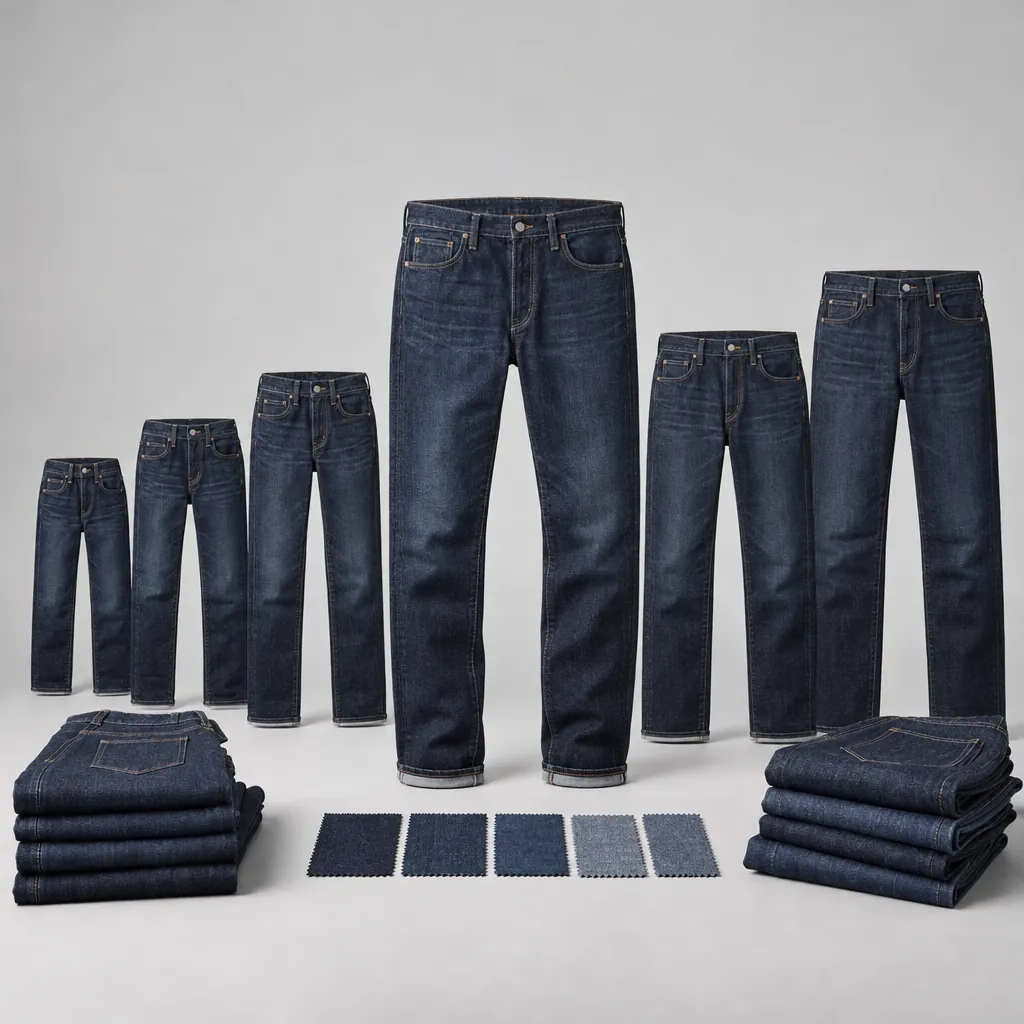
A fit sample is approved in one size. The bulk order ships in every size on the run. Grading is the set of rules that connects the two, and it is the least glamorous document in the order and one of the most consequential. When grading rules are not written, every size between the sample and the end of the run is an opinion, opinions differ between the pattern room and the buying office, and the disagreement surfaces later as fit complaints on sizes nobody reviewed. This article describes what a grading rule sheet contains, why the points grade differently, who owns the rules, and how a buyer checks the graded set before bulk is cut.
What a grading rule sheet contains
The sheet is short and strict. It names the base size, the size the sample was cut in, and the approved sample it refers to. It lists every measurement point on the specification, and for each one states the increment applied per size step and the direction of the change. It carries the tolerance allowed in production, the tool and method used for checking, and a revision history with dates and reasons. A complete sheet fits on a page or two. The discipline is not in the length but in the coverage: every measurement point on the specification sheet must appear on the grading sheet, because a point without a rule is a point the factory will grade by habit. The background to grading as a practice is summarized on the site's size grading page. Where a supplier resists supplying the sheet, that answer is itself information about how the order will be run.
Not every point grades by the same step
Most grading mistakes come from assuming one number governs the run. It does not. The waist and hip step steadily across the sizes. The front and back rise usually deepen less than the waist widens, or the range turns into a lower rise at the top end without anyone deciding that. The thigh follows the hip more than the waist. The knee and the leg opening grade by silhouette logic, a wide leg holding its shape differently from a tapered one. The inseam is not graded by waist size at all but by length tier. Each of these statements is a decision, and the rule sheet is where the decisions are recorded rather than rediscovered.
| Measurement point | Typical grading behavior | To confirm with the factory |
|---|---|---|
| Waist | Steps steadily across the run | Step per size, tolerance, method |
| Hip and seat | Steps close to the waist, follows the block | Step per size, tolerance, method |
| Front and back rise | Usually deepen less than the waist widens | Step per size, confirmed in writing |
| Thigh and knee | Follow the silhouette, not the waist | Step per size for the silhouette |
| Inseam | Graded by length tier, not by waist | Length tier definitions, Pending |
Failures the rule sheet prevents
The recurring grading failures have familiar shapes. A range that fits at the sample size and turns longer and lower at the top of the run, because the rise was graded like the waist. A wide leg that closes at the hem as sizes climb, because the hem was graded on a tapered rule left over from another style. A knee that bags on the larger sizes because the thigh step was applied to the knee as well. Each of these is invisible on a single sample and obvious on a wall. The rule sheet does not prevent them by existing; it prevents them by being checked, point by point, against the measured end sizes before the cut order is released. Where the buyer cannot check the graded set in person, requesting the measurements in writing and comparing them against the sheet is the minimum, and the comparison belongs in the order file with the rest of the approvals.
Who owns the rules
Most factories will apply their own default grading from their block unless the buyer supplies rules or agrees to theirs in writing. Either route can be correct. What fails is the third route, where the rules live in an email thread and each side remembers a different version. The order should state which document governs: the buyer's sheet, the factory's block grading, or an agreed hybrid. Any change afterwards should be recorded as a dated revision, and the approved sample should be updated to match. This is the same version discipline that protects every other approved element of the order, and it costs nothing at the time it is adopted.
Check the graded set, not only the sample
The sample approval covers one size. Before bulk, request the measurements of the first and last size of the run and compare them with the rule sheet, point by point. Where the factory's figures and the sheet disagree, resolve it before cutting, because a rule error found in bulk is a rework and a rule error found on paper is a correction. Where the schedule allows, fit the end sizes on models as well, since the paper can be right and the garment still wrong when a grading step interacts with how the fabric behaves on the body. The session that reviews those end sizes is described in fit sessions before bulk.
Where grading discipline matters most
Some categories punish loose grading more than others. Plus ranges, where proportional scaling distorts the fit, need rules written for their own block rather than a scaled copy of the standard sheet. Kids ranges replace the adult logic with height bands and need their own steps between them. Both categories should arrive with their own rule sheets rather than a note that the standard rules apply, and the kids case is treated in kids jeans sizing. A buyer who manages several categories at once should expect to keep several grading documents, not one sheet stretched over all of them.
Working with jeans
Grading rules, tolerances and the governing document for each order are confirmed in writing before bulk is approved. To put a rule sheet behind your size run, request a quote and we will confirm the specification process.