Home / Guides / Fit sessions: what to check before bulk
Fit sessions: what to check before bulk
A fit session is the last inexpensive checkpoint before bulk. Who attends, what to check on the body, and how to record the decision in writing.
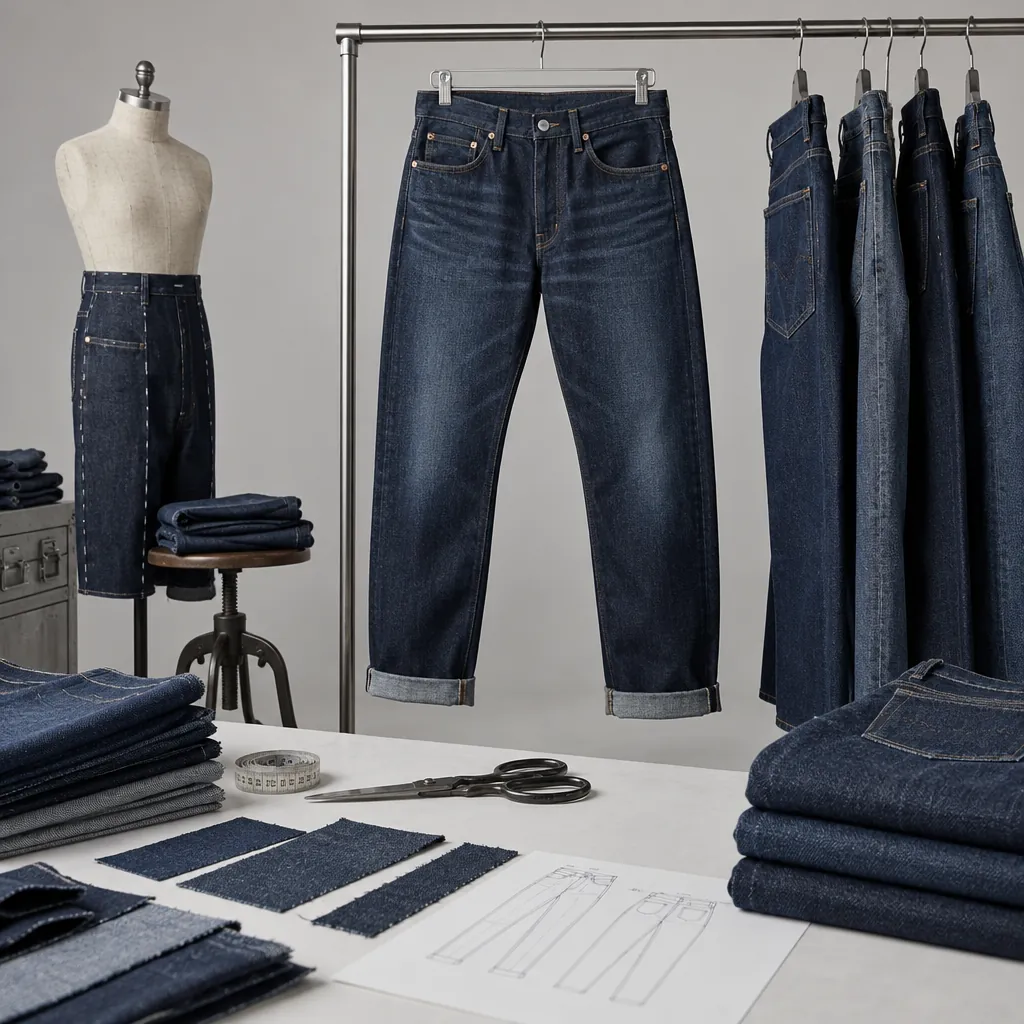
A fit session is the meeting where the garment finally meets a body, and it is the last inexpensive checkpoint before bulk. After it, changes cost fabric, time and sometimes a whole cutting run. A fit session that is run loosely produces warm feelings and no record, and the record is the part that matters, because whatever is decided in the room has to survive the trip to the factory. This article describes how to prepare a session, who attends, what to check on the body, and how to close the loop so the decisions reach production unchanged.
Prepare before anyone puts the garment on
The session is won in preparation. The specification sheet should be printed and current. The sample should be made in the approved fabric and wash, because fit changes with fabric behavior, and in the intended trims. At least two samples should be on hand, the base size and one end of the run, since the middle size alone cannot show how grading behaves across the range. Measurements should be taken on the table before the session, so the time with the models is spent on judgment and exceptions rather than on discovering that a measurement point disagrees with the sheet. Anything already known to be wrong should be listed in advance, not saved for the room to find. Where the factory is far away, the same preparation applies to a remote session, with photographs and video checked against the printed sheet, though a first style usually earns an in-person review.
Who attends and who decides
Keep the room small. One person approves, one person records, and the factory side is present or reachable for questions. A session with many opinions produces a compromise garment that fits nobody strongly, and the approve or reject decision gets blurred. Each point discussed should end in one of three states, recorded by the note taker: approved, approved with a stated change, or rejected with the reason. States like discussed or generally fine are where problems are born, because they leave both sides free to remember the meeting differently. The drift that follows loose notes is the same failure described under inconsistent fit across production, and it is cheaper to prevent in the room than to argue about in a shipment.
Run the movement checks
Standing still is not a fit test. The model should sit, stand, walk, bend and squat while the room watches the zones that fail: the waistband for gap and roll when sitting, the front rise for pull lines from the crotch, the back rise for coverage when bending, the seat and thigh for horizontal strain lines, and the knee for bagging after movement. Where the schedule allows, a short wear period before the session shows how the fabric recovers, which matters in stretch styles and rigid styles alike, for different reasons. Check the hem length with the shoe intended for the style, not barefoot, and check pocket placement from the front and the back before anything is declared final. Between sizes, the room should agree on what acceptable looks like for each zone before the first model puts the garment on, so the discussion compares the garment to a standard rather than to each other.
A zone checklist for the room
| Zone | What to look for | Typical fix |
|---|---|---|
| Waistband | Back gap when sitting, roll, pressure | Band width, waist grading, adjuster |
| Front rise | Pull lines from crotch to thigh | Rise depth, crotch point shape |
| Back rise and seat | Gap when bending, pocket placement | Back rise length, pocket reposition |
| Thigh and knee | Strain lines, bagging after movement | Thigh measurement, fabric choice |
| Inseam and hem | Length with the intended shoe | Hem type, length tier |
What sessions most often miss
Certain checks are skipped more often than others, and each has a predictable cost. The end sizes are measured but never worn, so a grading fault that only appears on a larger body reaches bulk. The garment is checked in the sample wash but the bulk lot is never compared against the approved sample, so a fabric substitution changes the fit without anyone naming it. The hem is checked barefoot and approved at a length that fails with the shoe the style is actually sold with. The pockets are reviewed from the front only, and a placement that gaps from the back ships to every customer. None of these requires equipment. They require the discipline of finishing the checklist after attention has already been spent on the obvious zones, which is exactly when the session is most tempted to stop. The factories that run tight programs expect the second pass; the ones that resist it are telling the buyer how the rest of the order will be handled.
Close the loop in writing
The session ends with a document, not a feeling. The minutes should list every decision with its state, the changes requested, who makes them, and the deadline for the revised sample or the confirmation that none is needed. If a second sample is required, the scope of the revision should be stated, so the factory does not recut a garment that only needed a pocket moved. The approved record becomes the reference for bulk, alongside the measurement sheet and the grading rules it depends on, which are covered in grading rules from sample to size run. One more check belongs at the end: the size label and the published chart still describe the approved garment, which is the link between approval and the label discipline in vanity sizing and label accuracy.
Working with jeans
Fit approval steps, sample scope and revision terms are confirmed in writing for each order. To schedule a fit review within the sampling process, request a quote and we will confirm the steps in writing.