Home / Guides / When to order a second sample (and when not)
When to order a second sample (and when not)
A second sample costs time the season may not have. When another sampling round is justified, when comments are enough, and how to make the call quickly.
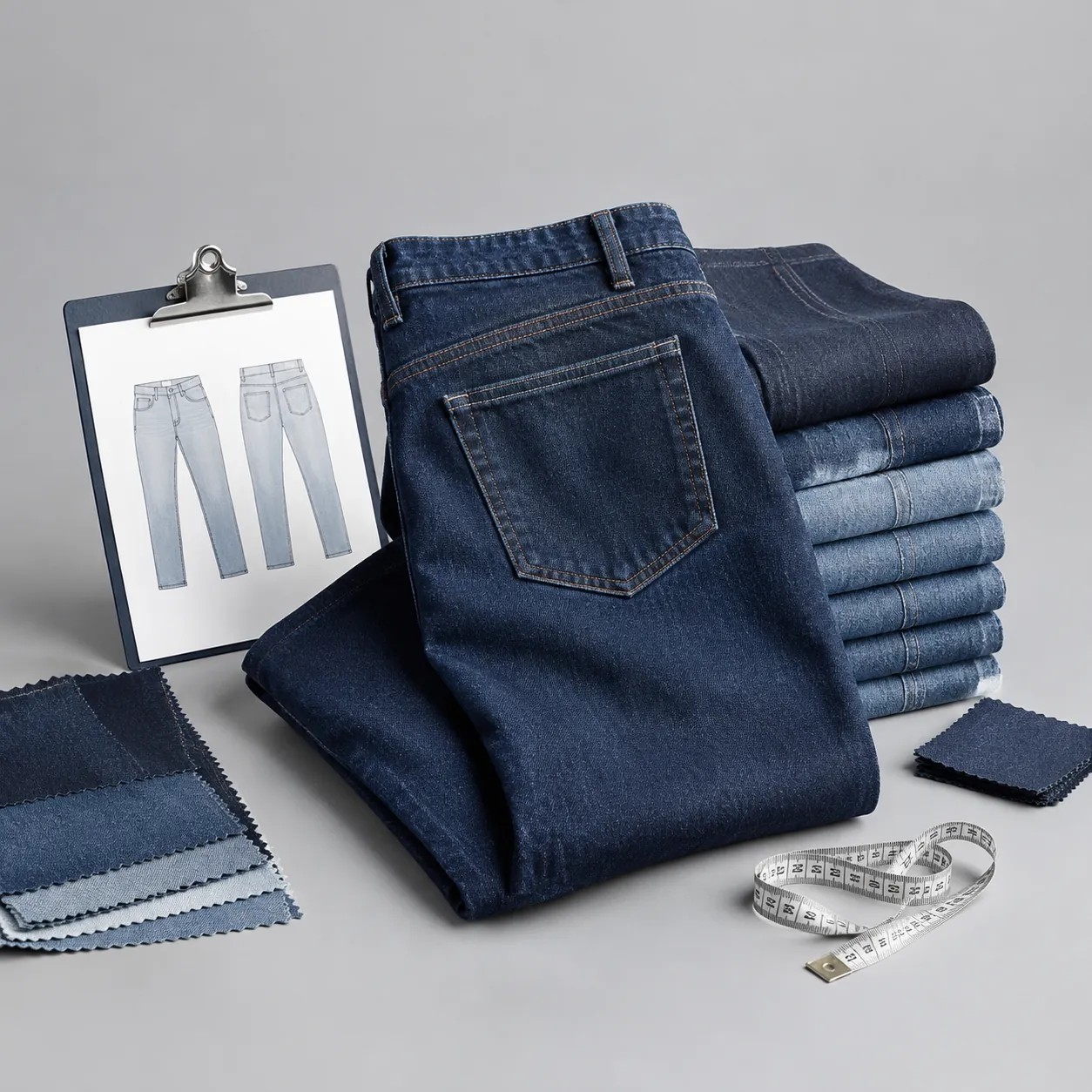
Sampling is where a program spends its calendar, and the decision of whether to run another round is a decision about the season as much as about the garment. A second sample costs time that a late program does not have; skipping one that was needed costs far more in bulk. The discipline is to make the call on stated criteria rather than on mood: what changed since the last approval, whether the change can be carried by written comments, and what the calendar says about the cost of another round. This article sets out when a second sample is justified, when it is not, and how to decide quickly either way.
What each round is for
Sampling rounds have different jobs, and mixing them wastes time. A fit sample establishes the pattern on a body. A counter sample shows the factory's interpretation of the comments returned on the fit sample. A pre-production sample, made on bulk fabric and run through the bulk wash, is the last look at the actual product before cutting. A seal sample records what was approved, for the inspection to check against. When a buyer asks for another sample without naming the round, the factory guesses at the purpose, and the guess usually costs a week. Naming the round and the questions it must answer is the first half of the decision, and it often reveals that the question can be answered with less than a full round. It also reveals who should review the round: a fit question needs the fit model and the measurement sheet, a wash question needs the light box and the approved standard, and a construction question needs only the comment sheet and a photograph.
When another round is justified
- The fit changes at more than one measurement point, or the grading across the size run is in question.
- The fabric is substituted, or the wash has moved away from the approved standard.
- The previous round returned with comments only partly addressed, and the remaining ones interact with each other.
- The garment is the first program with a new supplier, and the seal produced here will anchor later orders.
Each of these changes the garment in ways a written note cannot fully carry. Fit, shade and recovery are properties of the physical garment, and they need to be seen and handled, not described. A first program with a new supplier deserves the fuller ladder even when the calendar complains, because the seal produced in that round is reused by every order that follows it.
When comments are enough
Many rounds are ordered out of caution when a comment sheet would do. If the issue is a single measurement slightly outside tolerance, a stitch type that was misread, a label position or a trim color, the correction is specific, checkable and physical: it can be annotated on the existing sample, confirmed in writing, and verified at inline inspection. Ordering a full new round for such items spends calendar to re-learn what the comment already said. The honest test is whether the correction can be verified without wearing the garment; if it can, the comment sheet plus a photographed confirmation from the factory is usually sufficient, with the verification written into the inspection plan so it cannot be forgotten at inline. Photographed confirmations work best when the photograph shows the exact point the comment names, taken in the same orientation as the comment sheet, so the check at inline is a comparison rather than an interpretation.
The calendar is part of the decision
A second round is not free in time. Between rounds there is shipping, review, a comment cycle and the factory's queue, and the total is measured in weeks rather than days. The buyer should price the round against the program calendar: if the order is early, the round is inexpensive insurance; if the order is late, an unnecessary round can push ex-factory past the selling window and turn a small risk into a certain cost. A useful habit is to reserve the decision date: the buyer commits in advance to decide on a stated day whether the round runs, so the factory can hold or release the production slot without waiting through another exchange. A decision that arrives late costs more than a decision to skip. Sample charges and round-trip times for a specific program are to be confirmed in writing, and the cost structure behind them is explained in the article on sample pricing.
Making the call in one round
The strongest position is a decision rule agreed before sampling starts: changes to pattern, fabric or wash trigger a new physical round; isolated corrections to construction, trims or labels travel as comments; and every decision either way is recorded with its reason. This keeps the conversation with the supplier factual, because the rule, not the mood of the week, decides. It also protects the program from the drift pattern in which informal changes accumulate without ever being re-approved; those habits are described in the article on spec drift from mockup to production.
What the final round must produce
Whichever way the decision goes, the last round before bulk should end with the same outputs: a sealed sample labeled with the specification version it matches, a comment sheet marked resolved item by item, and a written approval that names the date and the person. These artifacts are what the inline and pre-shipment inspections will check against, which makes them the hinge between sampling and quality control. A round skipped where it was needed tends to surface later as returns, and the article on root-causing denim returns shows how those trace back to the sampling stage.
Working with jeans
Sample rounds, charges, review timelines and approval steps for a jeans program are to be confirmed in writing before sampling begins. FULVERA manages the sampling ladder with the producing partner and keeps the approval record that bulk inspection checks against. To plan a program, request a quote.