Home / Guides / From mockup to production: where specs drift
From mockup to production: where specs drift
Specs drift between the approved mockup and bulk production. Where the drift happens, and the change control habits that keep the order on its spec.
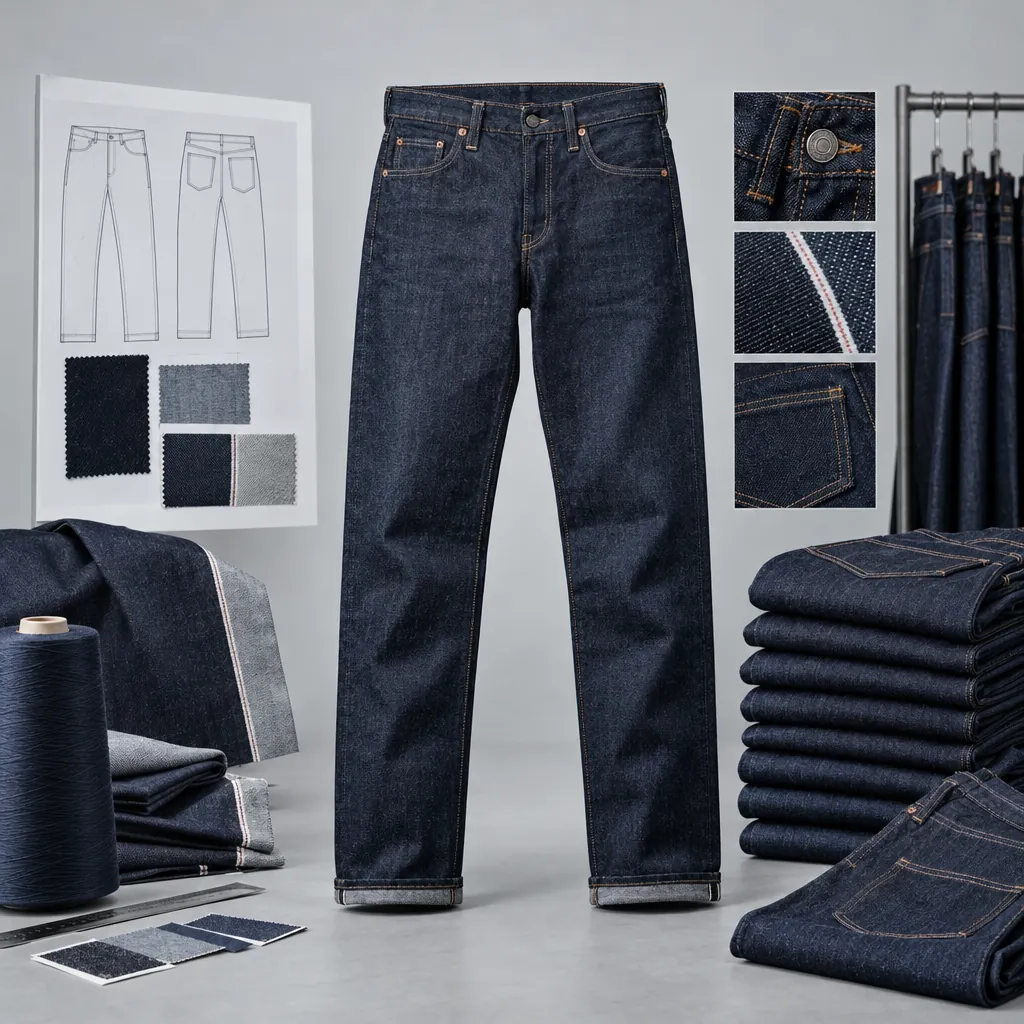
Between the sample a buyer approves and the goods that arrive, a garment passes through pattern adjustments, fabric booking, trim purchasing, bulk sewing and wash. At each hand-off there is a chance for the product to drift from what was approved: not through dishonesty, but through ordinary substitution, unrecorded conversations and documents that were never updated. Spec drift is the quiet source of a large share of denim disputes, because by the time the cartons open, each party is describing a different garment. The fix is rarely more inspection; it is fewer uncontrolled changes. This article maps where drift happens between mockup and production, and the habits that stop it.
What drift looks like
Drift is rarely dramatic. The hardware on the bulk order comes from a different supplier than the sample because the original supplier's minimum was too high. The pocket bag fabric changes because the first choice ran out. A stitch type is simplified to keep the line moving. The wash lands one step lighter because the bulk lot was matched to a lab dip rather than to the sealed garment. Each change is small, locally reasonable and invisible in a status update. Added together, they produce a shipment that is defensible item by item and still not the product the buyer approved. The audit record should name the specification version it checked against, so the file shows which document the shipment met or missed.
The unrecorded conversation
The most common entry point for drift is a decision made in a call or a chat message and never written into the specification. Someone on the buyer's side asks for a small change; someone at the factory agrees; the garment changes and the document does not. Months later the buyer inspects against the specification and finds what looks like a defect, while the factory defends what it was told. That collision is avoidable, and the clause structure in the article on common denim quality issues and clauses shows how the paperwork prevents it. The procedural rule is simple: any change, however small, is confirmed in writing through the agreed channel and results in a new version of the specification sheet.
Substitution and availability
Material availability is the second entry point. A trim becomes unavailable, a fabric lot sells through, a wash chemical is replaced, and production proceeds with the nearest equivalent to keep the date. The control is to make substitution a formal event: the supplier proposes the replacement in writing, with a sample or a photograph where appearance matters; the buyer approves or rejects; the specification is amended with a version number. Some substitutions are genuine improvements proposed in good faith, and some are downgrades wearing an upgrade's clothes. Both deserve the same treatment: an approval with a record, or a rejection with a reason.
Who holds the current version
Drift also happens on the buyer's side, when the purchasing team, the quality team and the merchandising team each hold a different copy of the specification. Before bulk starts, someone should be named as the holder of the current version, and every request for a change should route through that person even when it originates elsewhere. The same discipline applies to the artwork and label files, which are the details most often changed informally and least often re-checked at inspection. A program with one current specification, one sealed sample set and one decision log is harder to drift than a program with a folder of near-identical documents and no owner.
Version control for the specification
A specification without versions is a suggestion. Each approved change should increment the version, date the page and be circulated to everyone who holds a copy, including the sewing floor and the wash house in whatever form they use it. The sealed sample should be re-sealed when a change affects what can be seen or measured, and the seal should be labeled with the version it represents. When the pre-shipment inspection is planned, it should be planned against a named version and a named seal. The quality control page describes how inspection points line up with these documents during bulk.
Where a change needs a new sample
Not every change can be absorbed as paperwork. A change to the pattern, the fabric or the wash changes the garment in ways a comment cannot carry, and the honest response is another sampling round on bulk material. The decision of when a second sample is worth its time, and when annotated comments on an existing sample are enough, is set out in the article on when to order a second sample. The rule of thumb holds across most programs: if the change could alter fit, shade or recovery, it needs to be seen on a garment, not described in a message.
Auditing the bulk against the seal
Change control ends with verification. During bulk, inline checks compare garments on the line against the current specification version and the sealed sample, and the pre-shipment inspection repeats the comparison on packed goods. Measurements, shade, hardware, labels and packaging are checked against documents, not against memory, and any gap is recorded with photographs and the clause it misses. A buyer who audits this way finds drift while it is one lot deep and correctable, rather than after the cartons are on the water, when the only remaining choices are expensive ones. The audit findings should also flow back into the next specification: a point that drifted once is a point to state more precisely in the version that follows, with a tighter tolerance or a more exact description of the part.
Working with jeans
Specification versions, sealed samples, substitution approvals and inspection standards for every jeans order are to be confirmed in writing and kept current through production. FULVERA manages change control between the approved mockup and the shipped lot so the garment that ships is the garment that was approved. To set up a program, request a quote.